Here is the thing about Chelsea that nobody tells you: the galleries are free, they are open to everyone, and most of them are showing work that would cost you $40 to see in a museum. You do not need to know anyone, you do not need to dress a certain way, and you do not need to pretend you are buying anything. You just have to walk in. This is genuinely one of the best free things you can do in New York, and it is baffling to me that more people don't do it every single weekend.
I have been doing Chelsea gallery walks since I was nineteen, which is long enough to have watched the neighborhood shift — some of the smaller spaces have gone, rents have pushed a few galleries to the Lower East Side or Tribeca, and every few years someone writes a piece about how Chelsea is over. Chelsea is not over. It is still the densest concentration of serious contemporary art on a single set of blocks in the world, and on a Saturday afternoon between noon and six it is one of the better places to spend a few hours in this city.
What follows is my current route. Seven galleries, roughly in order, covering about twelve blocks. It takes two to four hours depending on how long you linger, which you should.

Start here because the current show will stop you in your tracks. Gerhard Richter: Landschaften is fifty years of landscape painting hung in a chronological sequence of rooms — and if you walk through slowly, which you should, you will understand something about painting that is hard to explain but easy to feel. The building itself is excellent: multiple floors, good light, the kind of considered hang that makes you trust a gallery's judgment. The staff are present without hovering. The bookshop at the front sells actual good books.
Plan for 45 minutes. You will want it.
Do not skip
Walk north two blocks. Hauser & Wirth occupies a converted armory on 22nd Street and it is one of the most physically impressive gallery spaces in the city — huge ceilings, industrial bones, rooms that scale well with large work. The gallery represents some of the most significant artists working today, and they almost always have at least two or three shows running simultaneously across the different wings. Check the website before you go so you know what's up; the main show is usually in the largest room at the back.
If you're doing the walk in spring or summer, the garden space at the back is worth seeing too.
Allow 30 minutes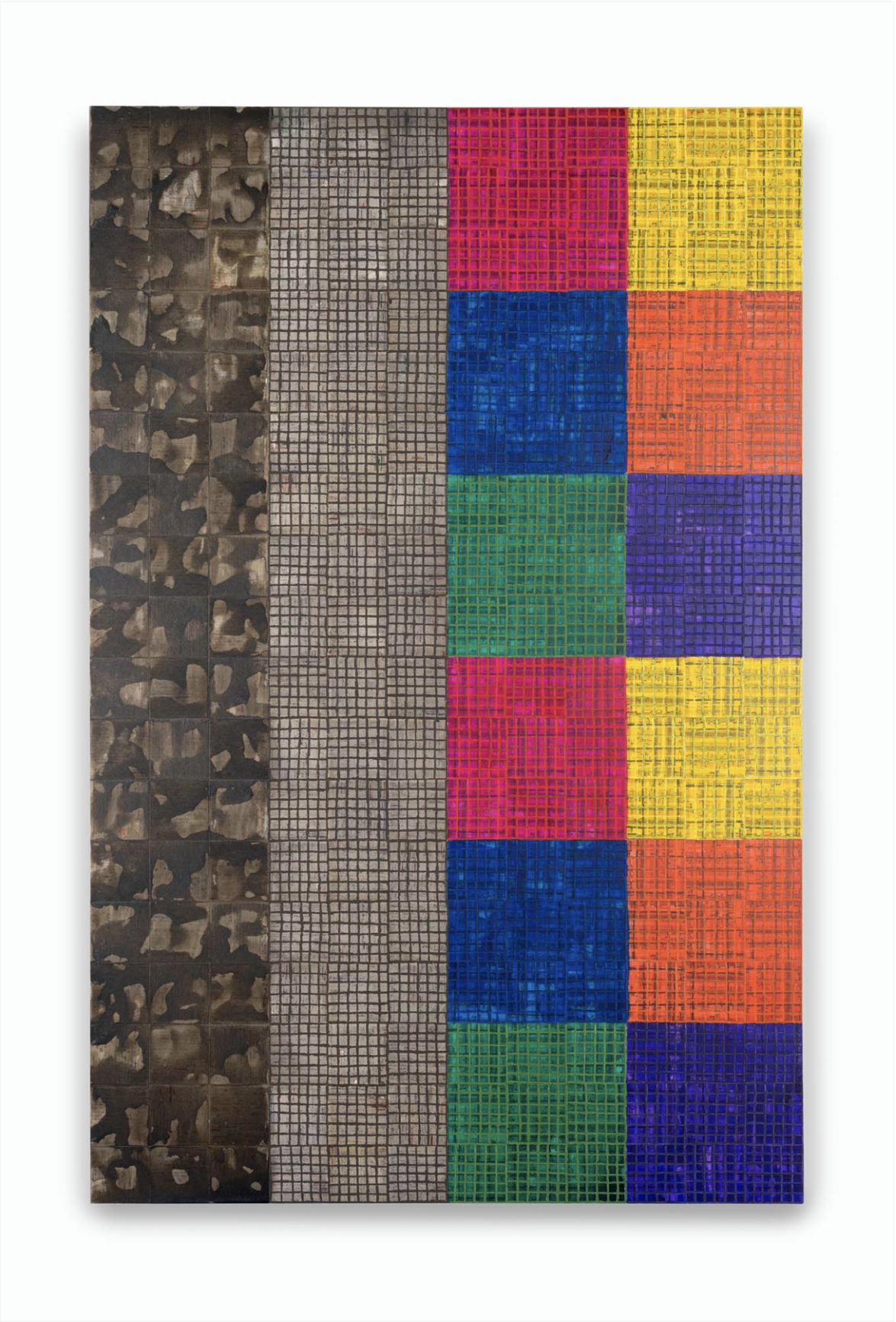
Head up to 24th Street, which is the most gallery-dense block in Chelsea and worth walking slowly end to end. Lehmann Maupin's space is on the corner and tends to show work that is maximally ambitious in scale — they represent artists whose work needs room. The gallery has a strong track record with painters who operate at the intersection of personal history and abstraction, and if you have not seen McArthur Binion's DNA paintings in person, find a show and go. They are not the same on a screen.
Worth the stop"You do not need to know anyone. You do not need to dress a certain way. You just have to walk in."
— Dani Osei
Directly across the street. Lisson is one of the oldest contemporary galleries in the world — founded in London in 1967 — and their Chelsea space has some of the best natural light on the block. They tend to show work that rewards sustained looking: sculpture, painting, and installation that doesn't give everything up at once. The shows are consistently intelligent and the physical presentation is always clean. This is a gallery that knows how to hang a show.
Strong programming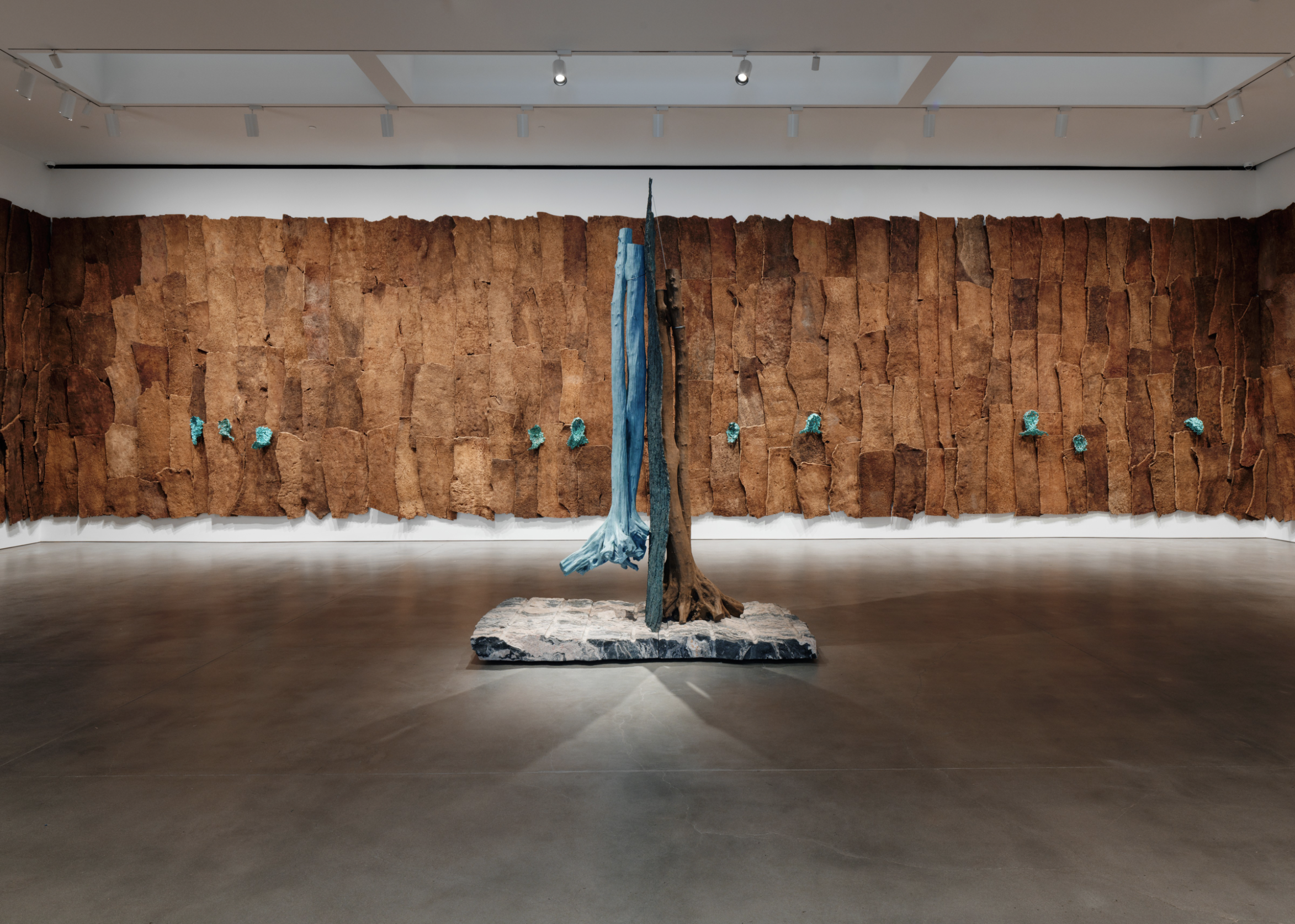
I have complicated feelings about Gagosian as an institution, but the shows are almost always worth seeing and the space — Annabelle Selldorf's renovation — is one of the finest gallery interiors in the city. The ceilings are very high. The work is usually very expensive. Neither of these things should stop you from going in. At the scale Gagosian operates, they can stage shows that literally no other gallery could pull off: the loans, the catalogue, the institutional weight behind an artist. Whatever you think about the market end of it, the work is real.
Go in. Always.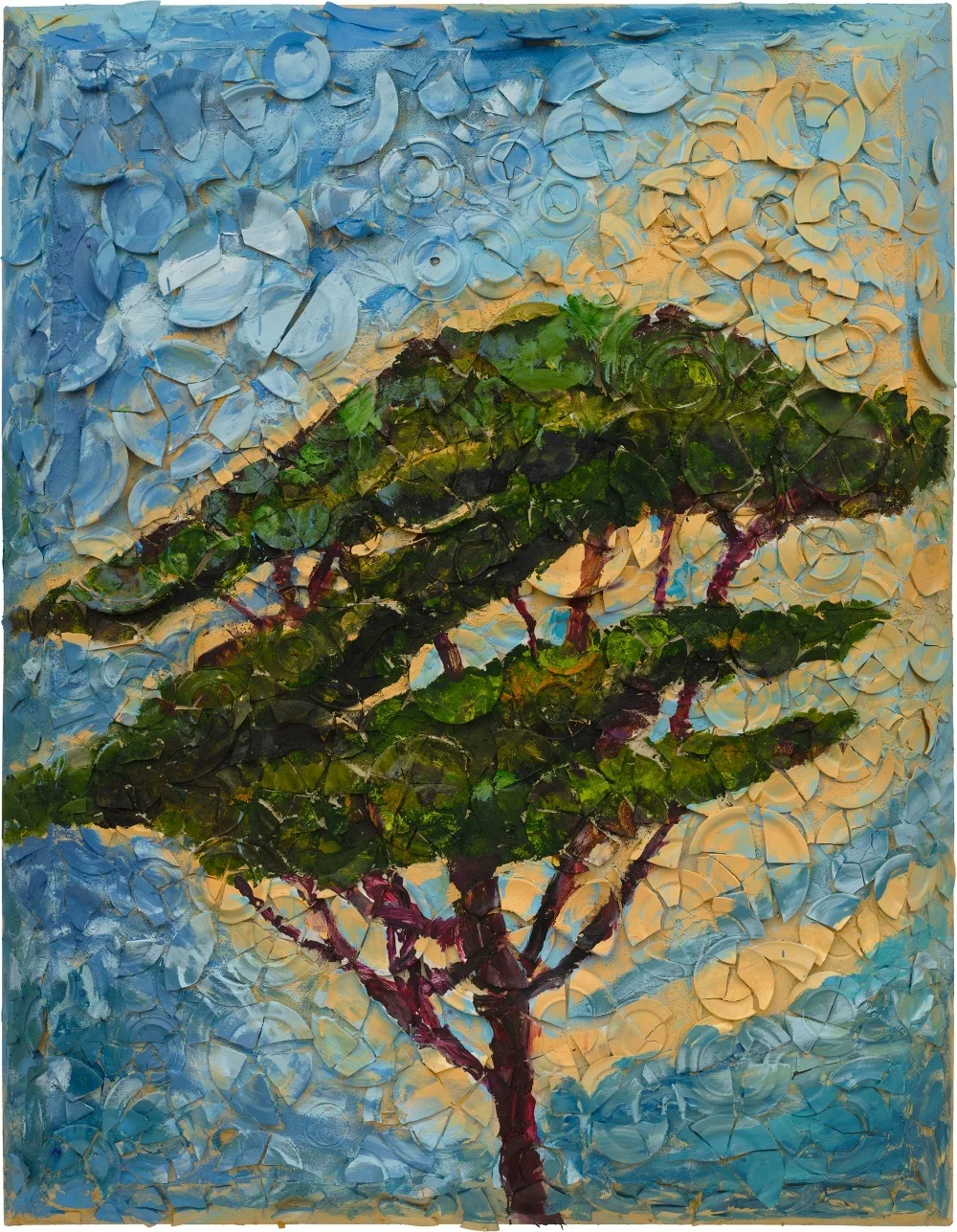
Walk up to 25th Street for Pace, which moved into this purpose-built nine-story space in 2019 and remains one of the more architecturally interesting gallery buildings in the neighborhood. Multiple shows run simultaneously across different floors, which means you can spend a long time here or a short time depending on what's up. The lobby alone is worth stepping into on most days. Pace represents a genuinely diverse group of artists — historic estates alongside mid-career and emerging figures — and the curatorial intelligence across floors is usually consistent.
Multiple shows, allow time
End here, because Berry Campbell is the kind of gallery that rewards the people who find it. Smaller than everything else on this list, focused on postwar and contemporary American painters — a lot of whom were women who didn't get their due the first time around — and run by two people who are deeply committed to the artists they represent. The shows are never showy. The work is always excellent. This is the gallery that will make you feel like you discovered something, even if it's been there for years.
After this, you've earned a drink. Cookshop on 10th Avenue is right there and the bar is good.
The hidden gem. Go last.Before You Go
Saturday hours are generally 10am to 6pm at all the major galleries. Some close at 5pm in summer, so arrive by 2pm if you want to do the full route without rushing. Most galleries are closed Sunday and Monday. A few close in August — the High Line stays open, but the galleries around it thin out. September is when Chelsea comes back to life properly.
You don't need to sign in anywhere or give your email address. Some galleries will have a sign-in book near the entrance; you are not required to use it. You are not required to talk to anyone. You are not required to know who the artist is before you walk in. The work is there to be looked at. That is the whole point.
One last thing: if you love something, tell the person at the front desk. Not to buy it — just tell them. Galleries are staffed by people who care about this work, and it is a genuinely good thing to do.
