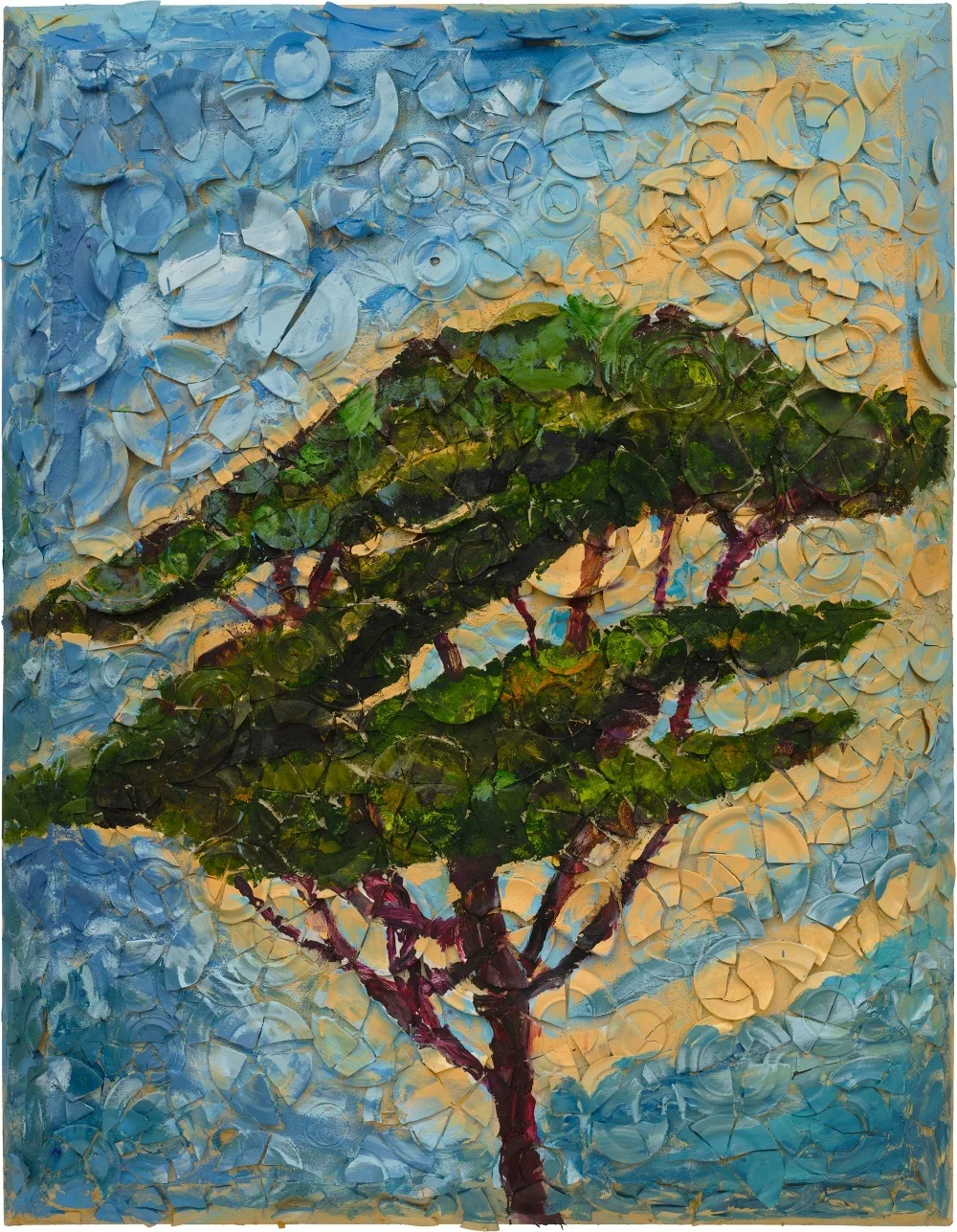
The first time I bought a piece of art at a gallery, I stood in front of it for twenty-five minutes before I said anything to anyone. I had walked past it on the way in, stopped, walked further into the space, looked at everything else, and then walked back to the same painting. It was not the most expensive thing in the room. It was not by anyone I had heard of. It was a medium-sized oil on canvas — some kind of landscape, although the term barely covered it — and it had a quality I have spent years trying to describe accurately, which is that it made the room it was in feel different from every other room. Eventually I found the person at the desk. "How much is the painting by the entrance?" It was $2,400. I bought it. I have not regretted it once.
I am telling you this because the mechanics of buying art at a gallery are genuinely simple, and the anxiety around them is almost entirely manufactured by people who benefit from the mystification. This piece is about the mechanics. By the end of it, you should understand exactly what happens when you decide to buy something, what the numbers mean, what you will receive, and what questions it is completely fine to ask.
What You're Actually Paying For
Gallery prices are set by the gallery in consultation with the artist. The standard arrangement is that the gallery takes a commission — historically 50%, though this varies — and the remaining portion goes to the artist. This means that when you pay $3,000 for a painting, roughly $1,500 goes to the artist and $1,500 goes to the gallery that found, represented, promoted, and sold their work. This is a reasonable arrangement and it is how the gallery pays its rent, its staff, and the cost of staging the show you are standing in.
Prices at commercial galleries are not publicly listed on the walls in most cases. This is a convention, not a rule, and it is one that the industry is slowly moving away from — some galleries now list prices openly on their websites or on request cards next to the work. If you want to know the price of something, you ask. There is no social cost to this. "How much is this piece?" is a completely normal question and anyone who makes you feel otherwise is doing their job badly.
Emerging artist, smaller work: $800 – $3,500
Mid-career artist, medium work: $4,000 – $25,000
Established artist, significant work: $30,000 – $200,000+
Gallery commission: Typically 40–50% of sale price
Sales tax: Applicable in most states. In New York, art over $110 is taxed at 8.875%.
Framing / shipping: Usually additional, negotiable for local buyers
What Actually Happens When You Say Yes
You tell the person at the desk you would like to purchase the work. They will ask for your contact information and, in most cases, ask whether you would like to pay in full or arrange a payment plan. Payment plans are standard and common — many collectors, including serious ones, use them routinely. A typical structure is 50% at the time of purchase and 50% within 30 to 90 days, though galleries vary. You are not less serious for asking.
You will receive an invoice. Read it. It should include the artist's name, the work's title, the medium, the dimensions, the year, and the price. It should also include the gallery's contact information and, increasingly, a note on the certificate of authenticity. Keep this invoice. It is the primary document of provenance for the work and you will need it if you ever sell, donate, lend, or insure the piece.
"Buying art is not complicated. It is made to seem complicated by people who benefit from you feeling uncertain."
— James FarrellWhat It Is and What It Isn't
Most galleries provide a certificate of authenticity with every sale. This is a document, usually signed by the gallery and sometimes co-signed by the artist, that attests to the work's authorship, title, medium, dimensions, and year. A good certificate will also include an edition number if applicable (for prints, photographs, and multiples) and a reproduction-quality image of the work.
What the certificate is not: it is not a guarantee of value. It does not mean the work will appreciate. It does not mean it will be easy to sell. What it does mean is that you have documented proof of what you own and where it came from — which matters for insurance, for your estate, and for any future transaction. Store it separately from the work, in a fireproof box or a secure digital scan.
What It Feels Like
People who have collected for a long time describe a shift that happens after the first purchase. Before it, art is something that happens in galleries, in museums, in other people's homes. After it, art is something that happens in your life. The work you chose — for whatever reason, rational or not — is now in a room you live in. You see it at different times of day, in different moods, across seasons. It changes, or rather your relationship to it changes, and the reasons you chose it become clearer or more complicated over time. This is not investment language. This is what collecting actually is.
The practical advice is simple: buy things you would live with happily if they were worth nothing. Buy work that makes the room it is in feel different. Ask questions. Use payment plans if you need to. Get the invoice and the certificate. Don't treat it as more mysterious than it is.
And if you are standing in front of something and you keep coming back to it — that is the signal. Most people know when they've found it. The rest is just paperwork.
1. "How much is this piece?"
2. "Is a payment plan available?"
3. "Can I see the certificate of authenticity?"
4. "Is this an edition? How many exist?"
5. "What's the best way to transport this home?"