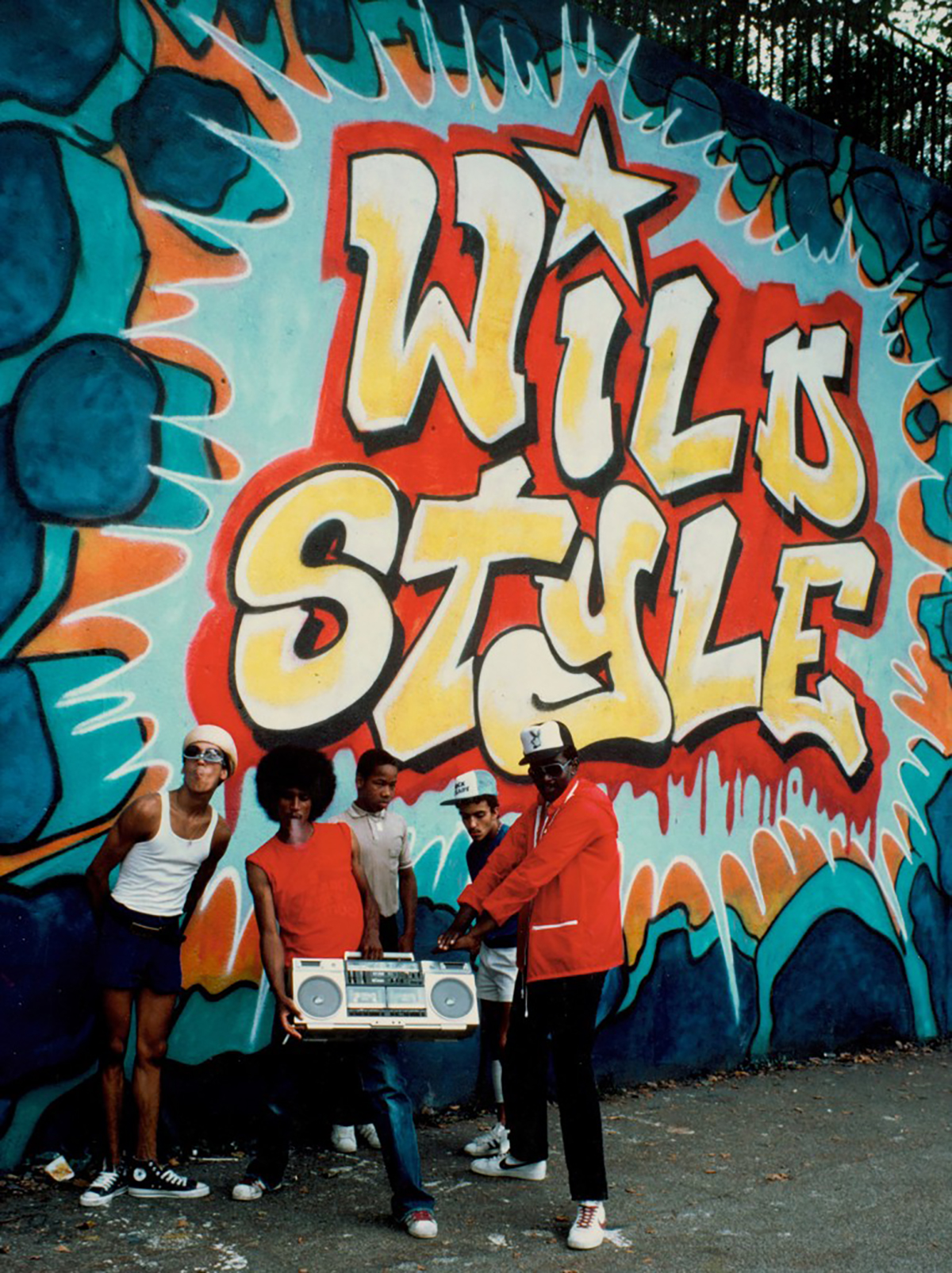
There is a moment near the end of Wild Style where the crowd at the East River Amphitheater — real people, not extras, people who showed up because they heard there was going to be something happening — is listening to a sound system that Lee Quiñones and his crew have rigged, and the music is playing, and the painted mural behind the stage fills the screen, and what you understand, watching it now, is that this was not being documented. This was happening for the first time. The camera was there because Charlie Ahearn had decided to be there, and his decision to be there is why we still know what that moment felt like.
The Non-Documentary
Ahearn had been around the downtown scene since the late 1970s, making Super 8 films and paying attention. When he met Fab 5 Freddy — born Frederick Brathwaite, by then already a connector between the hip-hop world of the Bronx and the art world of lower Manhattan — he understood that he was looking at something that was not yet named. Hip-hop in 1980 was not a genre. It was not an industry. It was a set of practices — graffiti, DJing, MCing, b-boying — that had developed in specific neighborhoods in response to specific conditions, and it had not yet been processed through the mechanisms that would eventually make it global.
Ahearn's decision to make Wild Style as a narrative film rather than a documentary was the crucial creative choice. He understood that a documentary would impose a framework of explanation — this is what it is, this is how it works, here is its history — and that explanation would inevitably flatten what he was seeing into something digestible for an outside audience. A narrative film could instead make you inhabit the world from the inside, could let the logic of the culture operate without constant mediation. Lee Quiñones plays a character named Zoro, but the character is not significantly different from the person: both are graffiti writers navigating the tension between the street and the gallery, between the underground and the overground.
"I wanted people to see what I was seeing — not explained, not positioned, not made safe. Just there."
— Charlie AhearnCasting the Real
The production of Wild Style was, by any conventional measure, impossible. Ahearn had almost no budget — the total cost of the film has been reported at around $30,000, raised through a combination of grants, personal savings, and the goodwill of everyone involved. There was no professional crew in the conventional sense. The cast included working graffiti writers, DJs, and rappers who had never been in front of a film camera and were not being asked to play characters very different from themselves.
Fab 5 Freddy, who served as co-producer and connector, was essential. He knew both worlds — the uptown hip-hop world and the downtown art scene — and he understood what it would take to get the actual practitioners of the culture to trust Ahearn enough to participate. Lady Pink, then sixteen or seventeen, appears as Zoro's girlfriend, and the relationship between her character and his is built on the kind of natural ease that no casting session could have produced: these were actual people who actually knew each other, navigating situations that were at least partially real.
The outdoor concert sequence that ends the film was not staged in the normal sense. People knew something was happening at the amphitheater, and they came. The energy in the footage is not performance energy; it is the energy of an actual gathering, people responding to actual music in actual space. Ahearn captured it because he was ready, and because Fab 5 Freddy had organized it, and because the community trusted that what was being made would not betray them.
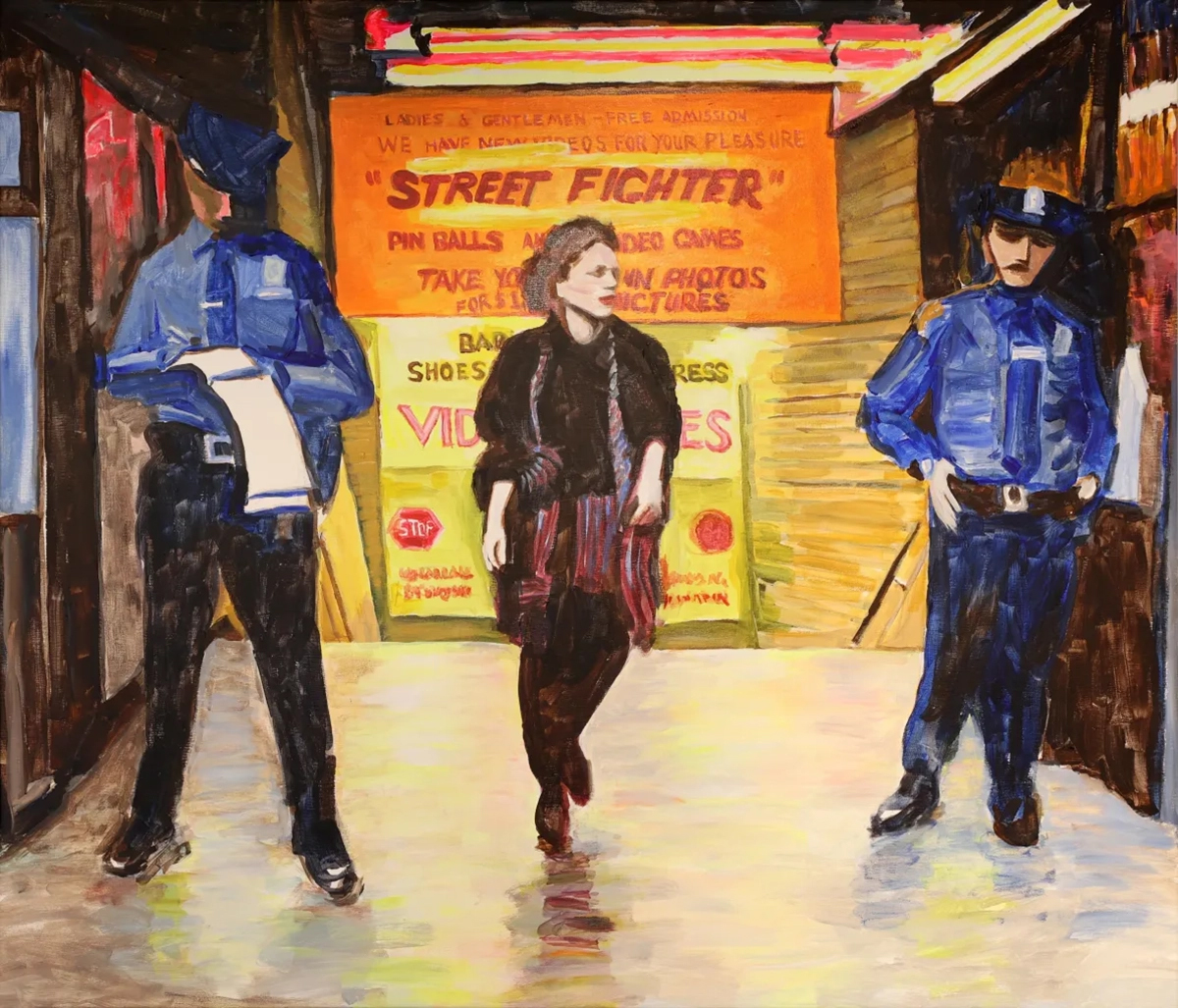
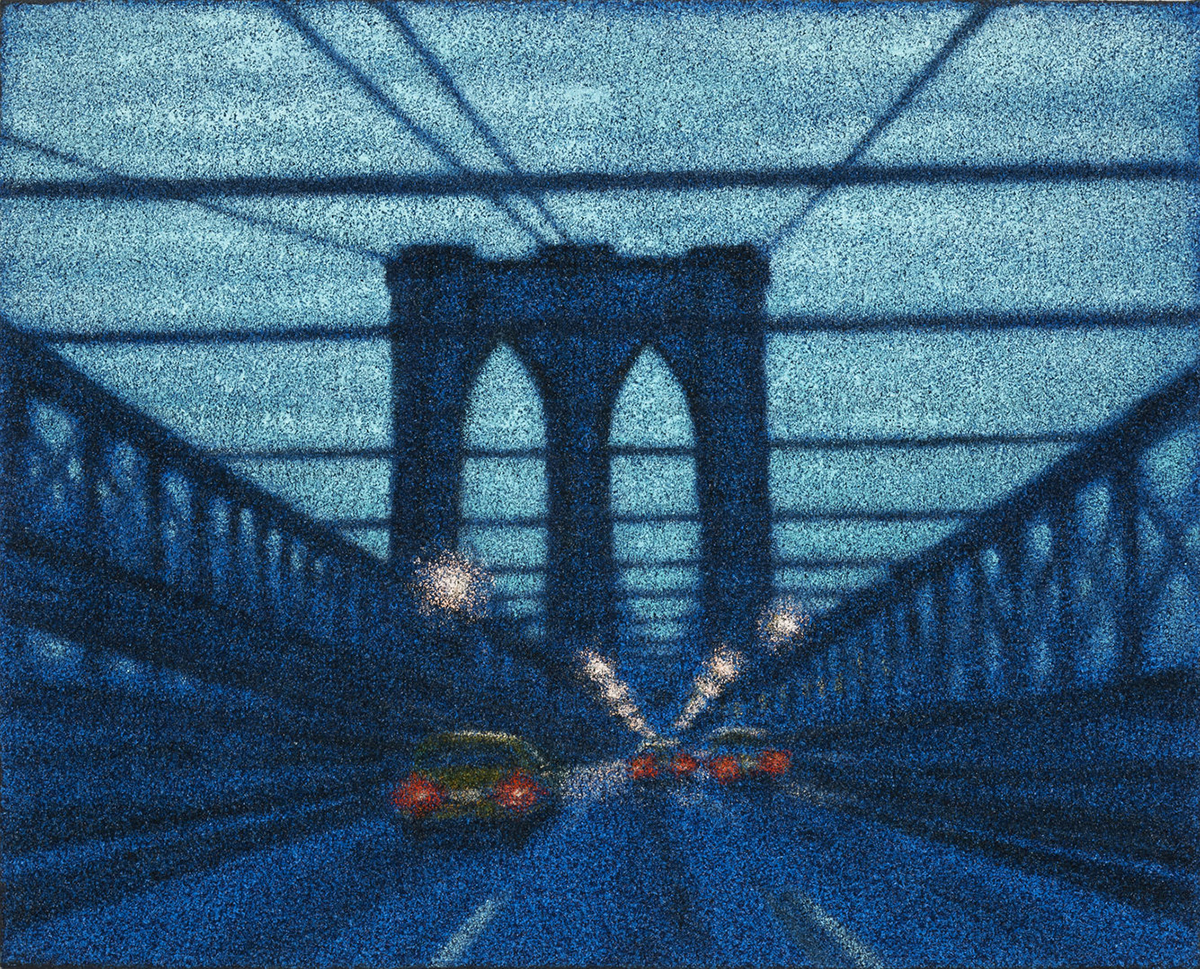
Charlie Ahearn, Jane In Peepland, 2024.
After the Film
The film was released in 1983 and was not, initially, a commercial success. It screened at festivals, found audiences in Japan and Europe who were electrified by what they saw, and gradually acquired the canonical status it now holds. It was, in retrospect, the founding document of hip-hop visual culture — the first sustained cinematic record of the four elements in their original context, made by someone who had been paying attention.
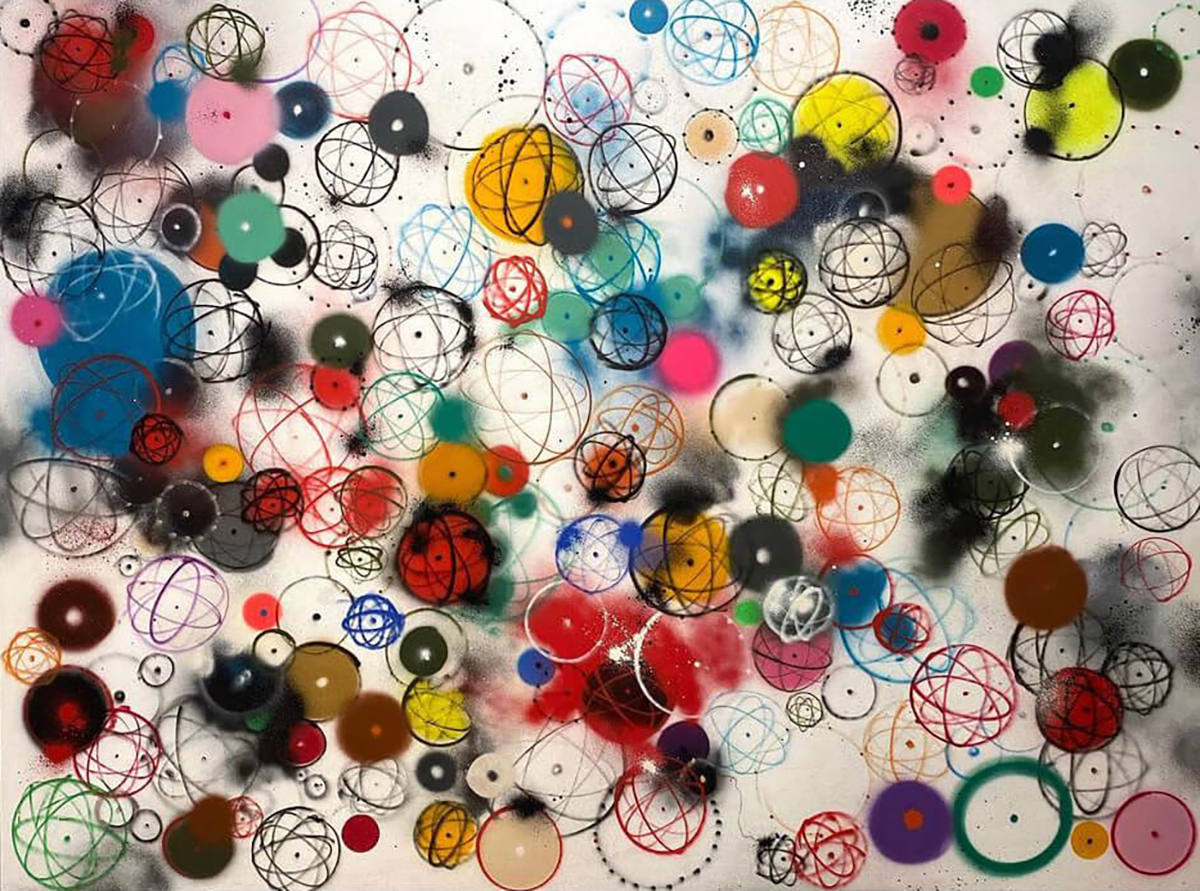
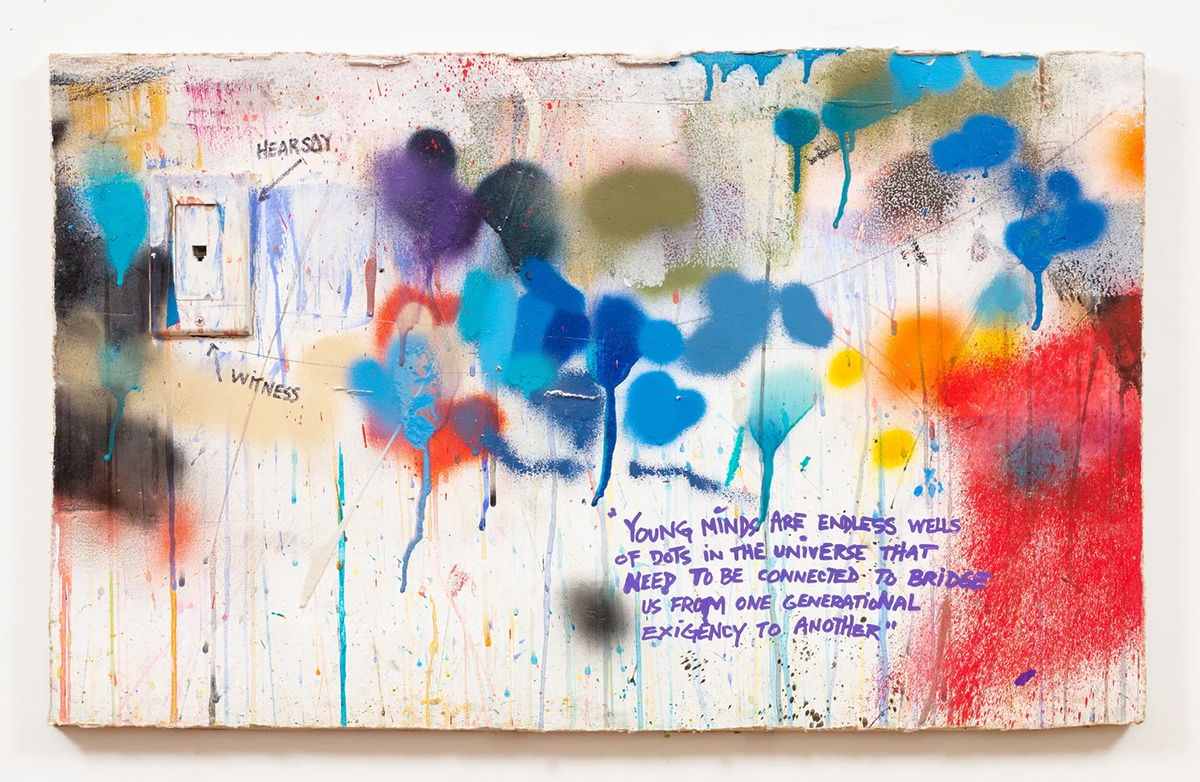
What Ahearn has made since Wild Style is less well known but equally serious. He has continued to photograph and document the culture he helped introduce to the world, producing portraits and images that participate in the same project of attentive witnessing. His paintings — dense, poppy, saturated with the energy of graffiti's graphic tradition — extend the visual vocabulary of the film into another medium.
The question sometimes asked of Ahearn — was it his story to tell? — seems increasingly beside the point. He did not tell the story; he gave the people in it the apparatus to tell it themselves. Lee Quiñones played himself. Fab 5 Freddy played himself. The community of the Bronx and downtown New York played itself. What Ahearn contributed was the decision to be there, the technical knowledge to capture it, and the trust that the culture he was looking at was worth looking at seriously. That trust, in 1980, was not common. The film is what happened when someone had it.